
Types of Bongs: A Simple Guide to Every Style Worth Owning
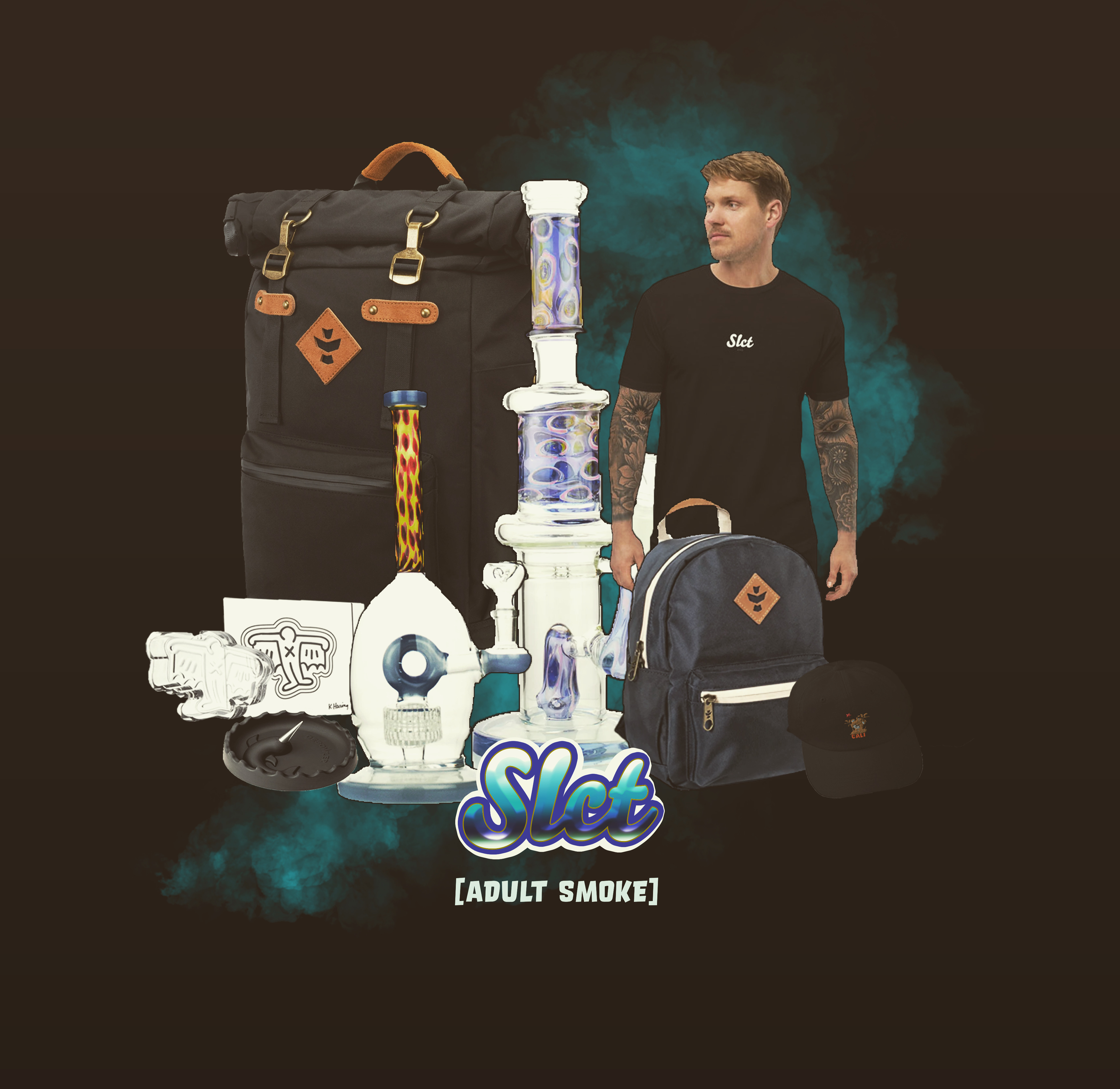

Most bongs fall into three families: glass, silicone, and bubblers.
Glass bongs give you the cleanest flavor and the widest style range.
Silicone bongs bend and drop without cracking or shattering.
A straight tube bong clears fast and cleans in minutes.
Bubblers are handheld water pipes built for small, solo sessions.
Water cools smoke, but it filters less than most people assume.
You know you want a bong. You just do not know which kind.
Every shop shows you fifty pieces and explains almost none of them. Shape, material, and perc count all get treated like decoration. They are not.
This guide breaks down the main types of bongs and what each one actually does well. By the end you will know which style fits your space, your budget, and how you actually smoke. If you want to go deeper on materials and specs, start with our buyer's guide to quality glass.
One note before we start. Cannabis is legal for adults 21 and older in California, and this article is for adults 21 and up. It is for informational purposes only. Laws vary by state, so follow your local rules.
Here is the short version first.
The Three Main Types of Bongs
A bong is a water pipe. You pack dry herb in the bowl, light it, and pull the smoke through water before you inhale.
That basic design has not changed in centuries. What changes is the material and the shape.
Almost every piece you will see falls into one of three families. Glass bongs are the standard. Silicone bongs are the durable alternative. Bubblers are the handheld version.
Everything else is a variation on those three.
Start with the one most people picture.
Glass Bongs: The Benchmark Everything Else Gets Judged Against
Glass is the default for one simple reason. It adds nothing to the flavor.
Metal and acrylic can leave a taste behind. Glass stays neutral, hit after hit.
The material matters more than the price tag. Quality glass bongs use borosilicate, the same glass family used in lab beakers and Pyrex. The American Ceramic Society's education foundation explains that borosilicate resists thermal shock better than ordinary soda-lime glass because it expands less when temperatures change.
Plain English version: it handles a hot bowl and a cold windowsill without cracking.
Wall thickness is the other spec worth checking. Look for 5mm or more. Thin 3mm glass shatters from falls that thicker pieces survive.
Within glass, three shapes cover most of the market.
Straight Tube Bong
The classic. A straight tube bong is one vertical chamber with a downstem at the base.
It clears fast and cleans easily. There are no tight corners for resin to hide in. Most experienced smokers own one.
The tradeoff is stability. A narrow base tips over.
Beaker Base Bong
Same tube, wider bottom. The flared base holds more water and sits solid on a table.
Beakers are the safer pick for a coffee table or a shared space.
Percolator Bongs
A percolator is a chamber that breaks smoke into smaller bubbles. More bubbles mean cooler, softer hits.
They also mean more drag, more cleaning, and more parts to break.
Glass has one real weakness. Silicone fixes it.
Silicone Bongs: Drop It and Keep Going
Silicone bongs bounce. That is the whole pitch, and it is a good one.
If you smoke outdoors, travel, or have hardwood floors, silicone removes the anxiety. You can drop it, fold it, and stuff it in a bag.
Quality matters here too. Look for food-grade, BPA-free, platinum-cured silicone. Federal food-contact rules for repeat-use rubber and silicone articles set extraction limits that reputable manufacturers test against. Cheap unmarked silicone does not.
Nearly every silicone bong pairs a silicone body with a glass bowl. That is by design. Combustion heat stays in the glass, where it belongs.
Cleaning works differently. Skip long alcohol soaks, which weaken the material over time. Hand wash with hot soapy water, or freeze the piece and flex the hardened resin loose.
The tradeoff is flavor. Purists say silicone is a small step down from glass. Most everyday smokers never notice.
Not every session calls for a full-size piece.
Bubblers: A Water Pipe That Fits in Your Hand
A bubbler is a handheld glass pipe with a small water chamber built in.
Think of a water bubbler as the middle ground. You get water cooling without committing to a tall piece on your table.
Bubblers come in a few common shapes. Sherlock bubblers have a curved neck. Hammer bubblers lie flat. Sidecars angle the mouthpiece away from the bowl. Mini bubblers fit in a jacket pocket.
They are built for one or two people, not a rotation. The bowl is small and the chamber holds an ounce or two of water.
Cleaning is the catch. The water chamber is sealed, so you cannot pull it apart like a bong.
Expert Insight: More Percolators Will Not Make Your Smoke Cleaner
Most first-time buyers treat perc count like a quality score. The research does not support that.
When MAPS and California NORML funded lab work on water pipe filtration, the researchers flagged a chemistry problem. Cannabinoids bond tightly to the tar particles produced by combustion. Water pulls both out together, not one without the other.
What water does reliably is drop the temperature of the smoke. That is why a bong feels easier on the throat than a dry pipe.
Buy percolators for comfort and flavor. Do not buy them expecting a cleaner hit.
So how do the three stack up side by side?
Types of Bongs Compared
Type | Best For | Durability | Cleaning Effort | Typical Range |
Straight tube glass | Fast clearing, daily home use | Moderate | Low | $40 to $120 |
Beaker glass | Shared sessions, stability | Moderate | Low | $50 to $150 |
Percolator glass | Smooth, cool hits | Lower, more parts | High | $85 to $250 |
Silicone | Travel, outdoors, clumsy hands | Very high | Low | $30 to $80 |
Bubbler | Solo sessions, small spaces | Moderate | Moderate | $40 to $100 |
Prices reflect typical retail ranges for pieces with listed specs. Bongs for sale without a listed glass type or joint size are a gamble at any price.
Pick yours in three questions.
How to Choose Your Type in Three Steps
Where will you actually use it? Home only points to glass. Backpacks, patios, and tailgates point to silicone.
How many people are in a normal session? Solo means a bubbler or a mini piece. Two or more means a beaker.
How often will you clean it? Be honest. If the answer is rarely, skip multi-perc pieces and buy a straight tube.
Match those three answers and you will not need to buy twice.
Still have questions? Most people do.
Frequently Asked Questions
Which type of bong is best for beginners?
A straight tube or beaker glass bong is the easiest starting point. Both clear quickly, clean in minutes, and have few parts to replace. Silicone works well too if durability matters more than flavor.
Are silicone bongs safe to smoke from?
Yes, when the piece uses food-grade, BPA-free, platinum-cured silicone and a glass bowl. The bowl keeps the flame away from the silicone. Avoid unmarked pieces that do not list the material grade.
Is a bubbler the same thing as a bong?
No. Both use water, but a bubbler is handheld with a small built-in chamber. A bong sits on a surface and holds more water. Bubblers suit solo sessions, bongs suit longer ones.
Do percolators make bongs healthier?
No. Percolators cool and soften smoke, which changes comfort, not composition. Research on water filtration found that water removes cannabinoids alongside tars. Treat percs as a comfort feature.
How thick should the glass on a bong be?
Look for 5mm walls or thicker. That thickness handles bumps and small drops that break 3mm glass. Any seller worth buying from lists thickness in the product details.
The Bottom Line on Types of Bongs
There is no single best piece. There is a best piece for how you actually live.
Glass bongs win on flavor and range. Silicone bongs win on durability. Bubblers win on portability and simplicity. Pick the family first, then worry about shape and specs.
Do that once and you stop replacing gear every few months.
This article is for adults 21 and older and is for informational purposes only. Cannabis laws vary by state, so always follow your local rules. Consult a medical professional for any personal health questions.
Find Your Type at Select GWE
Still deciding between styles? Start with our complete glass bong buyer's guide and check the specs before you commit to anything. Then browse the glass collection at Select GWE to find a piece that fits your budget and your routine. Join Select Society while you are there and earn points on every order.



Comments